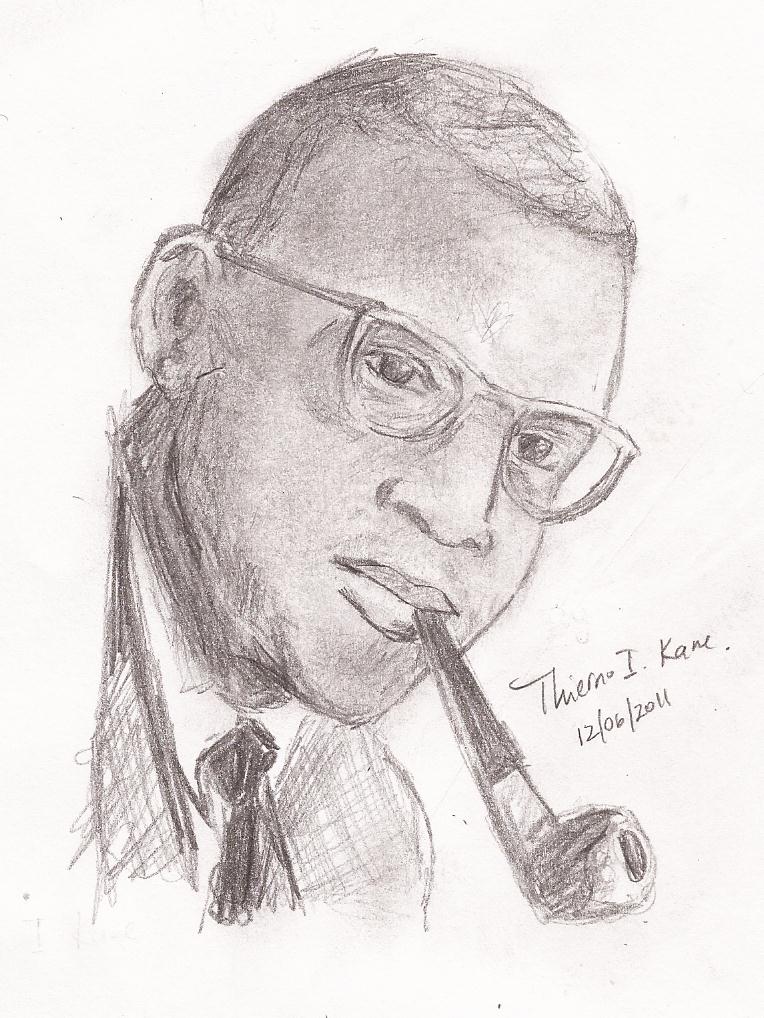
By Chukwuma Ajakah
Ever wondered why evil increases in the land and the gods chose to be unconcerned? In his famous poem, “Vanity”, Birago Diop explores the view that the ancestral gods chose to be silent to the cries of most Africans because they had failed to listen to earlier warnings meant to guide them in their quest for a new way of life.
The poem captures the thoughts of a concerned persona whose people chose to chase shadows at the risk of incurring the wrath of their ancestors. The opening stanza of “Vanity” expresses apprehension about an impending doom: If we tell, gently, gently/ All that we shall one day have to tell /Who then will hear our voices without laughter?/ Sad complaining voices of beggars/ Who indeed will hear them without laughter?
As portrayed in the poem, the poet persona believes that the people’s suffering is self-inflicted and satirically derides them for the nightmarish experiences they are having, saying that it will be shameful to expect sympathy from foreigners: If we cry roughly of our torments/ Ever increasing from the start of things/ What eyes will watch our large mouths/ Shaped by the laughter of big children/ What eyes will watch our large mouth?/ What hearts will listen to our clamoring?/ What ear to our pitiful anger/ Which grows in us like a tumor/ In the black depth of our plaintive throats? The excerpted lines reveal that the nightmare continues unabated due to the people’s refusal to heed the instructions of their ancestors.
The poem consists of 30 lines that are made to rhyme through the inclusion of musical and sound devices such as rhythm, repetition, alliteration, assonance and onomatopoeia. Consequently, it thrives in lyricism. The imagery is metaphorical crafted to appeal to the reader’s sense of reasoning as the poet elaborately deploys images that connect to the mind in order to compel the reader to think.
READ ALSO: Improving standard of living the rural development way
Besides the aesthetic value of its ornamentation with imagery, the poetic devise effectively combines with other features such as a dominant sarcastic tone and metaphorical expressions to realize the poet’s central message.
There is also the overt deployment of personification and rhetorical questions which emphasize the message of the poem as in What eyes will watch our large mouths?/ What heart will listen to our clamouring?/ What ear to our sobbing hearts? The first two lines of the second stanza reflect the climax of the subjects’ pathetic predicament: If we cry roughly of our torments/ Ever increasing from the start of things…
Each of the six stanzas of Diop’s “Vanity” depicts the theme of retributive justice. Other thematic concerns embedded in the poem include fear of the unknown, neglect, rebellion, and consequences of disobedience. The poet persona exonerates their progenitors on the grounds that they had left enough guideposts which would have positively changed a lot of the sufferers. In the fourth stanza, the persona points out that “The have left on the earth their cries/ In the air, on the water, where they have traced their signs/ For us blind deaf and unworthy Sons/ Who see nothing of what they have made…
In the last stanza of the poem, the persona recalls that the ancestors had earlier sought an audience with the present generation who willfully disregarded their appeals, preferring instead to do things their own way.
This rebellious posture makes the ancestral deities to abandon the people to their fate: And since we did not understand our dead/ Since we have never listened to their cries/ If we weep, gently, gently/ If we cry roughly of our torments/ What heart will listen to our clamouring/ What ear to our sobbing hearts?
The post Birago Diop: Why the gods are silent to our cries appeared first on Vanguard News.
https://ift.tt/2PkYnk8 by Lawal Sherifat via Vanguard News Albert Einstein Fools of Fortune
Comments
Post a Comment